Quality of Health and Longevity is not achieved through “a nice idea” or one day of motivation. It is achieved when you understand the mechanisms that keep you healthy and begin applying them in a simple, clear, and consistent way.
After extensive experience in various therapeutic fields and more than 30 years of research in nutrition, I have developed a simple, effective, and accessible method for anyone seeking Quality of Life in all aspects: mechanical, energetic, functional, and emotional.
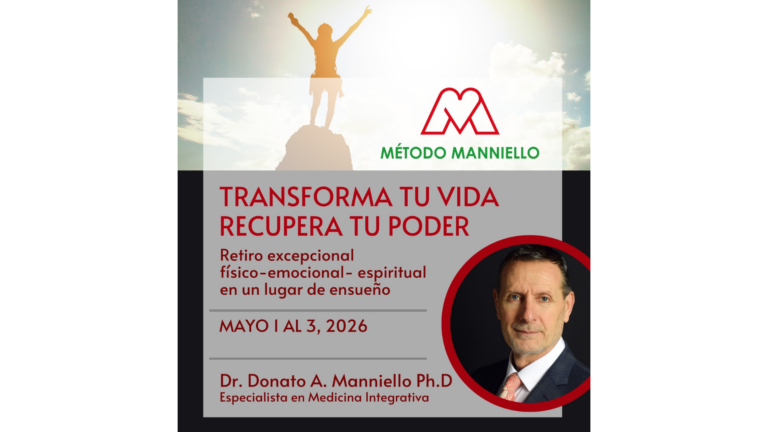
This retreat was created for that purpose: for you to experience it in a carefully designed environment, with direct guidance and a practical structure that allows you to leave with greater clarity.
WHAT YOU WILL WORK ON DURING THE RETREAT
This retreat helps you understand the mechanisms that keep us healthy, both physically and emotionally. And there is one central point I always emphasize:
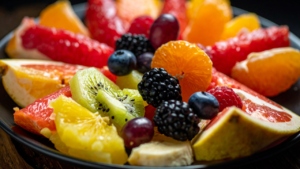
THE SECRET IS ON YOUR PLATE.
That’s why during the retreat we will dive into:
- CONSCIOUS NUTRITION: The importance of proper food combinations.
- AVOIDING FERMENTATION: One of the root causes of many physical and emotional conditions.
- QUANTUM NUTRITION: How to prepare yourself for the 5th dimension from this perspective.
- TECHNIQUES TO RELEASE EMOTIONAL BLOCKS from limiting memories.
All with one final goal: ACHIEVE A HIGH QUALITY OF HEALTH AND LONGEVITY.
RETREAT PROGRAM
ARRIVAL: Friday, May 1, 2026 (16:00)
DEPARTURE: Sunday, May 3, 2026 (18:00)
FRIDAY, MAY 1 (AFTERNOON)
- Dinner with Dr. Donato A. Manniello
- Guided Meditation
SATURDAY, MAY 2
MORNING
- Talk: “WHY WE GET SICK AND HOW TO RESPOND”
- Workshop: Conscious Nutrition according to the Manniello Method
AFTERNOON
- Workshop: Quantum Nutrition – Manniello Method
- Group Dinner
SUNDAY, MAY 3
MORNING
- Workshop: Depression, Distress, and Anxiety (HOW TO FREE YOURSELF FOREVER)
AFTERNOON
- Guided Meditations
- Q&A Session
ACCOMMODATION AND MEALS
PLAN: Full Board
All meals supervised by Dr. Donato A. Manniello.
PRICING, BOOKING, AND AVAILABILITY
PRICES PER PERSON (TRANSPORT NOT INCLUDED):
FULL RETREAT
- Book in March: $600 USD
- Book in April/May: $650 USD
FULL DAY PASS
(Saturday or Sunday): $250 USD
LIMITED SPOTS AVAILABLE.
PAYMENT METHOD
Reservation via bank transfer or deposit: $100 USD
Remaining balance due at check-in
INFORMATION AND BOOKINGS
KRIYA PRODUCCIONES
WhatsApp: +54 9 11 4495-2588
Buenos Aires City
WHO I AM AND WHY I CAN GUIDE YOU
I am Donato Alberto Manniello, a graduate in Osteopathy from L.U.de.S University in Lugano. My philosophy is to treat the patient as a whole: mechanical, energetic, functional, and emotional, which led me to study and practice various alternative medicines in depth.
I specialized in tools to work on the emotional dimension:
- Ericksonian Hypnosis
- Brief Systemic Therapy
- EMDR
In addition, I have been researching nutrition for 30 years, experimenting with and analyzing different dietary methods. I hold a degree in Physiotherapy (Belgium), specialized in Traditional Chinese Medicine (Paris), have a Master’s in Ayurveda Medicine, am a certified Health Coach, hold a University Expert title in Homeopathy (Miguel de Cervantes University, Valladolid), specialize in Food Intolerances and Intestinal Health, and am a member of Slow Food International.
I am also a University Expert in Nutrition and Obesity (University of La Rioja). I systematized my own method twelve years ago and shared it in my book “TAKE ME WITH YOU AND I WILL CHANGE YOUR LIFE” (available in six languages).
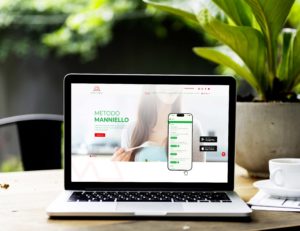
I developed the mobile app “MANNIELLO METHOD” (available in six languages), obtained the title of Practitioner of Holistic Healing (American University of Holistic Healing, New Jersey), and earned a University Expert diploma in Integrative Medicine and Health Prevention.
I have also written “THE PILLARS OF YOUR HEALTH” and “QUANTUM NUTRITION” (available on the website). My latest book, “THE ART OF HEALING LIFE,” has been published by Ed. Kier. I speak seven languages and give courses and lectures worldwide.
RECOGNITIONS
- The Manniello Method is recognized and endorsed by the UNESCO Center for Training in Human Rights, Global Citizenship, and a Culture of Peace (May 24, 2019).
- The UNESCO Center (Willemstad, Curaçao, Dutch Caribbean) awarded Dr. Donato Alberto Manniello the distinction “GOLDEN TORCH FOR PEACE” (August 20, 2019).
- The UNESCO Center Advisory Council granted him the title of ADVISORY COUNCIL MEMBER IN THE FIELD OF INTEGRAL HEALTH (January 12, 2021).
- On January 9, 2026, the UNESCO Center awarded Dr. Donato Alberto Manniello the title of DOCTOR HONORIS CAUSA (DR. H.C.).
If you feel that the time has come to make a real change, this retreat is designed to give you understanding, structure, and direct experience: Conscious Nutrition, Proper Food Combinations, Quantum Nutrition, and deep emotional work to regain clarity and strength.
To reserve your spot or receive full details, contact KRIYA PRODUCCIONES on WhatsApp: +54 9 11 4495-2588
See you soon.
Dr. Donato A. Manniello